
For readers of techlogiest.org, mechanical testing is a useful example of how technology supports everyday quality control. It may happen in a laboratory rather than on a screen, but the goal is familiar: collect reliable data, find weak points early, and make better decisions before a product reaches customers.
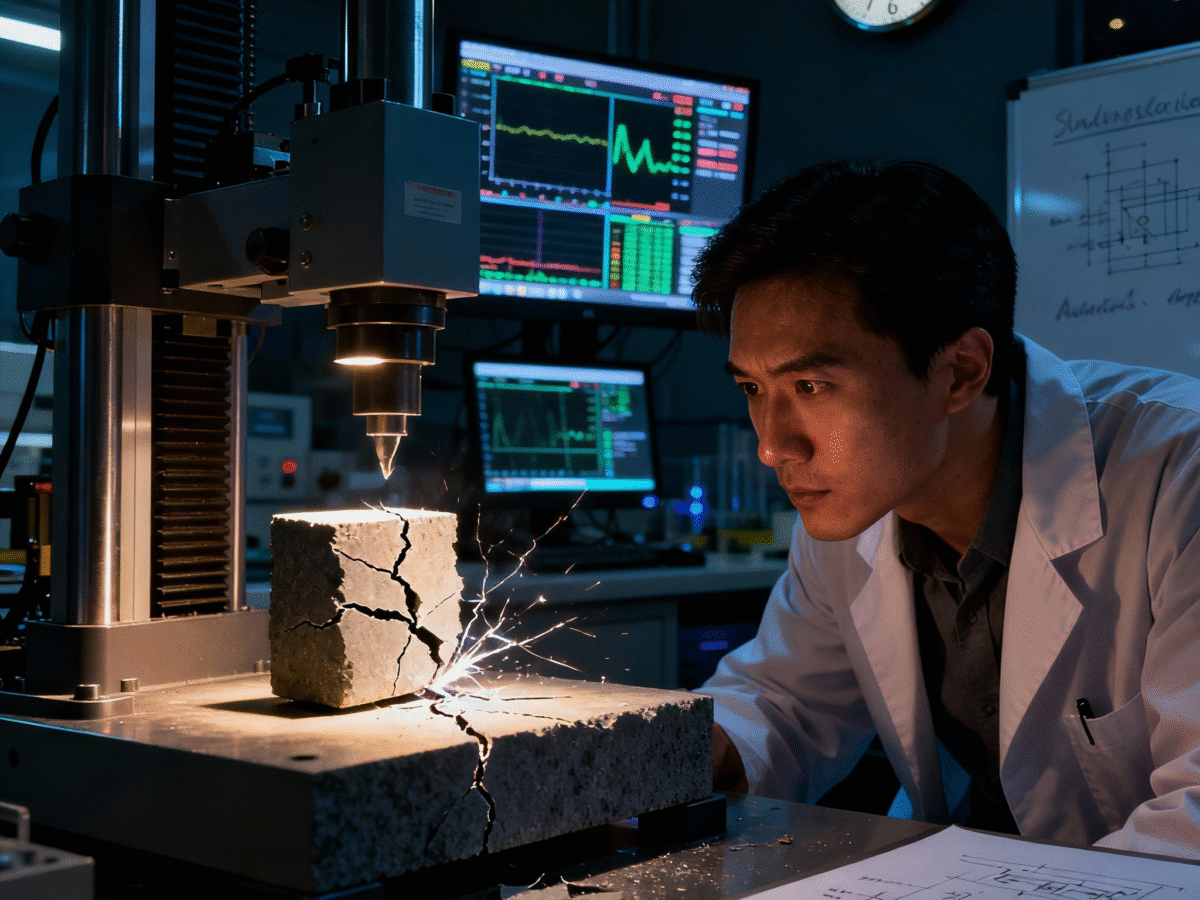
Mechanical testing is the process of applying controlled force to a material, coating, or component to see how it performs. A sample might be pulled, compressed, bent, struck, scratched, or loaded again and again. AeroNordic’s coating fatigue page highlights one important use case: repeated loading and unloading can reveal durability concerns and help predict product lifespan. That makes mechanical testing valuable anywhere long-term reliability matters.
Why Quality Control Depends on Testing
Quality control is not only about checking whether a finished product looks correct. It is about proving that the product can survive its intended job. A part may pass visual inspection and still fail under vibration, temperature changes, pressure, or repeated motion. Mechanical testing helps uncover those hidden risks.
In manufacturing, test results can confirm whether a batch of material meets the required strength or hardness. If results fall outside the specification, the team can stop the batch, investigate the process, and prevent defective parts from moving forward. This saves money, protects customers, and reduces the chance of recalls.
Testing also supports supplier management. When companies buy metals, plastics, composites, coatings, or other materials from outside vendors, they need confidence that the material is consistent. Mechanical testing provides evidence instead of relying only on certificates or assumptions.
Key Properties Engineers Measure
Different tests measure different properties. Tensile testing shows how much pulling force a material can withstand and how far it stretches before failure. Compression testing shows how a material behaves when squeezed. Hardness testing measures resistance to indentation, wear, or surface damage.
Fatigue testing is especially important for components that face repeated stress. A material can look strong under one load but weaken after thousands or millions of cycles. Coatings, aircraft components, rotating parts, vehicle structures, and wind energy systems all benefit from fatigue data.
Impact testing measures toughness under sudden force. Bend testing helps show whether a material can flex without cracking. Together, these tests create a practical performance profile that engineers can use during design, production, and maintenance planning.
How Mechanical Testing Improves Production
Testing can improve production in several ways. First, it helps define the right material for a product. A cheaper material may seem attractive until testing shows it cannot handle the expected load. A stronger material may be unnecessary if testing proves a lighter or more flexible option performs well.
Second, testing helps refine manufacturing processes. Heat treatment, curing time, coating thickness, bonding methods, and machining conditions can all affect performance. When test data changes after a process adjustment, teams can see whether the change improved or harmed the final product.
Third, testing supports continuous improvement. Over time, companies can compare results across batches, suppliers, and design revisions. Patterns in the data may reveal drift in production quality or opportunities to reduce waste.
The Value of Reliable Standards
Mechanical testing is most useful when it follows recognized standards. Standards from organizations such as ISO and ASTM define how samples should be prepared, how force should be applied, and how results should be reported. This improves repeatability and makes results easier to compare.
Without consistent methods, two laboratories could test the same material and reach different conclusions. With standards, engineers have a shared language for discussing performance. This is particularly important when products must meet regulatory, safety, or customer requirements.
Read Also: Amity Project Viva Prep, Evaluation Scheme and Submission Tips
Mechanical Testing in Advanced Industries
Advanced industries rely heavily on testing because their products face demanding environments. Aerospace parts must tolerate fatigue, vibration, and temperature changes. Offshore equipment must resist corrosion, pressure, and repeated load cycles. Automotive parts must balance light weight with crash safety and durability.
Even consumer technology benefits from these principles. Device casings, hinges, connectors, and protective surfaces need to handle everyday drops, bends, scratches, and wear. Good testing helps turn a promising design into a dependable product.
Conclusion
Mechanical testing is a core part of quality control because it gives teams measurable proof of performance. It helps companies select materials, validate suppliers, improve manufacturing, and reduce failure risk. For technology-minded readers, it is a reminder that better products are built through data, not guesswork.

 By
By