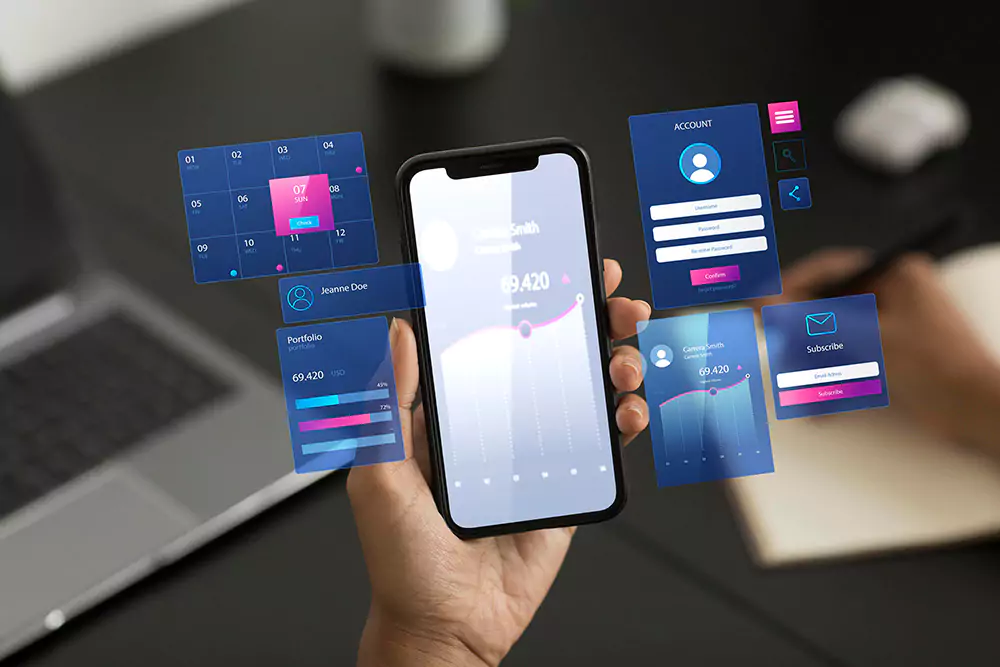

Building a mobile app is only the first part of creating a successful digital product. The harder challenge is attracting the right users and keeping them engaged. An experienced apps marketing agency helps businesses connect app development with customer acquisition, retention, and revenue goals.
Effective mobile advertising requires more than purchasing ads on popular platforms. Teams must understand audience behaviour, attribution, creative testing, app store visibility, and user lifetime value. A coordinated strategy, often implemented by a top app marketing agency, brings these areas together and transforms marketing data into actionable decisions.
Why Mobile App Marketing Requires a Specialized Approach
Mobile users behave differently from traditional website visitors. They often make quick decisions based on screenshots, ratings, reviews, app descriptions, and advertising creative.
A strong mobile strategy considers the entire journey from discovery to long-term use. Marketers need to know where users first saw the app, what encouraged them to install it, and whether they remained active afterward.
This makes mobile marketing a combination of acquisition and product growth. A campaign that generates thousands of installs may still fail if most users leave after one session.
Specialized teams focus on metrics that reflect real business value. These include cost per install, customer acquisition cost, retention rate, subscription conversion, in-app purchases, and lifetime value.
What an Apps Marketing Agency Actually Does
An app marketing agency develops and manages campaigns designed specifically for mobile products. Its work usually covers strategy, paid acquisition, creative development, analytics, optimization, and retention.
The process often starts with research. Marketers analyze the app’s audience, competitors, value proposition, category, pricing model, and current acquisition channels.
From there, they build a media strategy based on business goals. A subscription app may focus on trial conversions, while a mobile game may prioritize engaged players and in-app revenue.
Agencies also monitor performance across different channels. Instead of treating every advertising platform separately, they compare results and move budgets toward the sources producing stronger users.
Paid User Acquisition
Paid acquisition remains one of the fastest ways to introduce an app to new audiences. Common channels include social networks, mobile ad networks, search advertising, video platforms, and app store campaigns.
Success depends on more than low-cost installs. Marketers must identify which campaigns attract users who actually register, subscribe, purchase, or remain active.
This often requires continuous testing. Teams may compare audiences, bidding methods, locations, creative formats, and landing experiences to find stronger combinations.
Creative Testing and Optimization
Mobile advertising depends heavily on creative quality. Users scroll quickly, so ads need to communicate value within a few seconds.
Marketers test different videos, images, headlines, calls to action, and product demonstrations. They then compare performance based on both conversion data and post-install behavior.
Creative testing also reduces advertising fatigue. Fresh concepts help campaigns maintain performance when audiences have already seen older ads many times.
Connecting Advertising With App Store Optimization
Paid advertising can bring users to an app listing, but the store page still needs to convince them to install. This is where app store optimization becomes valuable.
Teams review titles, descriptions, keywords, screenshots, preview videos, ratings, and reviews. These elements affect both search visibility and conversion rates.
For example, an ad might promise a simple budgeting feature. If the app store screenshots focus on unrelated tools, users may hesitate before installing. Matching the ad message with the store experience creates a clearer path.
Better conversion rates can also improve paid media efficiency. If more store visitors become users, the business gains more installs from the same advertising budget.
Measuring Campaigns Beyond Download Numbers
Download volume can look impressive, but it does not always show whether marketing is profitable. Businesses need deeper measurement to understand campaign quality.
A top app marketing agency typically tracks user actions after installation rather than judging performance only by acquisition cost. Important events may include registration, purchases, subscriptions, completed onboarding, repeat sessions, or other meaningful actions.
Attribution platforms can help connect these events with the campaign that generated each user. Marketers can then compare channels and identify where high-value customers come from.
Privacy changes have made attribution more complex. Marketing teams must now work with aggregated data, platform-specific reporting, modeled conversions, and first-party information.
The goal remains the same. Businesses need enough reliable data to make better spending decisions.
Improving Retention After the Install
User acquisition becomes expensive when new customers disappear quickly. Retention strategies help businesses gain more value from every install.
The first few sessions often have the greatest impact. Clear onboarding can show users how the app solves their problem without forcing them through unnecessary steps.
Push notifications, email, in-app messages, rewards, and personalized offers may also support engagement. However, each message should provide a clear reason for the user to return.
Marketers can segment audiences based on behavior. Someone who installed an app but never created an account may need a different message from a customer who previously made several purchases.
Retention work can also reveal product problems. If users consistently leave at the same point, marketers can share that information with product and development teams.
Using Audience Segmentation to Improve Efficiency
Not every user has the same needs or values. Audience segmentation helps campaigns deliver more relevant messages to different groups.
Businesses can create segments based on location, device, interests, subscription status, purchase history, or app activity. Campaigns can then focus spending on groups that match specific objectives.
A fitness app, for example, could advertise beginner workouts to new users while promoting advanced plans to experienced subscribers. This approach makes advertising more relevant without changing the entire product.
Segmentation can also improve remarketing. Rather than showing the same advertisement to everyone, teams can adjust offers based on previous actions.
Choosing the Right Marketing Partner
Businesses should evaluate agencies based on their process rather than promises. A good partner should explain how it measures acquisition quality, handles attribution, tests creative, and reports performance.
Ask which platforms and app categories the team has experience with. Relevant experience can shorten the learning process, although strategy should still reflect the individual product.
Reporting should also be clear. Businesses need access to useful metrics and explanations, not dashboards filled with numbers that lack context.
Communication matters as well. Strong agency relationships involve regular reviews, shared goals, creative feedback, and direct discussions about poor-performing campaigns.
An apps marketing agency should function as an extension of the internal growth team rather than an isolated advertising vendor.
Balancing Growth With Sustainable Acquisition Costs
Rapid growth can become expensive if a company increases advertising spending without monitoring customer value. Sustainable marketing requires a balance between scale and efficiency.
Teams should compare acquisition costs with expected revenue from each user. A higher acquisition cost may still make sense if those users remain active longer or generate more revenue.
Testing budgets should also remain separate from proven campaigns when possible. This allows marketers to explore new audiences and creative concepts without placing the entire acquisition program at risk.
As campaigns mature, businesses can use performance history to improve forecasting and budget allocation.
Building a Long-Term Mobile Growth Strategy
Successful app promotion combines acquisition, conversion, retention, analytics, and creative development. Each part affects the others, so businesses gain more when they manage them as one connected system.
Choosing a top app marketing agency can provide access to specialized knowledge, testing processes, measurement tools, and cross-channel expertise. The right partner should still base every decision on the app’s specific audience and commercial goals.
A capable app marketing agency does more than generate installs. It helps businesses understand which users create value, which campaigns deserve investment, and which improvements can support steady growth over time.


 By
By